

Drafting and Implementing an Effective Digital Imagery Policy
From cellphones to helmet cams, digital imaging technology is everywhere. The availability of inexpensive high-quality digital imaging devices offers the fire service an unprecedented opportunity to document, capture, and share information. Along with the opportunities comes an enormous risk of misuse. The problem is so bad, a growing number of states are considering legislation to join the three states that already make it a criminal offense for first-responders to take and/or share emergency scene photos.
The program will look at case studies where digital imagery created legal nightmares for fire departments and firefighters, and pull from them the lessons learned. On-duty photo taking can be managed without having to resort to a total photo-taking ban. Learn how to avoid digital media traps and develop a sound and defensible digital imagery policy.
- The three big digital imagery problem areas, and the steps fire departments need to take to protect their members and the organization
- What does HIPAA say about photos taken at emergency scenes?
- Can filming someone in their home constitute an invasion of privacy?
- I can’t get in trouble, everyone is doing it…. right?
- First Amendment considerations related to photo taking
This program will review the latest digital imagery cases affecting the fire service, and the important lessons learned. These lessons will then be connected to recommended policy language for an effective and legally defensible digital policy.
Attendees will receive course materials that includes a model digital policy that can be customized in class. Copies of the most important cases and laws will also be provided.
Program Outline
- Case studies
- Photos that are embarrassing, illegal, or violate patient confidentiality/privacy laws
- Photos as evidence
- Photos as public records
- Model Policy Language
- Training Issues
Cost: $75 per person
Our schedule accomodates you where ever you are:
1:00pm - 4:00pm Eastern
12:00pm-3:00pm Central
11:00am - 2:00pm Mountain
10:00am-1:00pm Pacific
An optional Zoom meeting will be held after class to further answer questions.
Worried about missing some of the program due to runs, meetings or other interruptions?
The webinar will be recorded. If you miss some or all of the session, we can provide a link to watch the recording for up to 48 hours after the class.
Cancellation and Refund Policy
We all know that sometimes plans must change. If you find you can no longer attend a program, please contact me at curtvarone@gmail.com. Among the options are:
- transferring your registration to a colleague
- setting up a credit for a future program
- providing a full or partial refund
If you are seeking a refund, provided you notify me at least 30 days prior to a scheduled event, a full refund will be provided. If notice is provided less than 30 days prior to the event, you will receive a refund of 50%, unless notice is provided less than 10 days prior to an event, in which case a refund will not be provided.
Remember - if you cannot attend you can always transfer your registration to a colleague or set up a credit for a future class. Just notify me before hand. There is no refund or credit for no shows without advanced notice. The video replay is available up to 48 hours after the class ends.
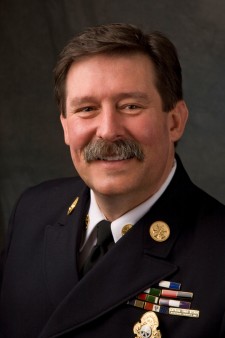
Curt Varone has over 50 years of experience in the fire service. He served twenty-nine years with the Providence, Rhode Island, Fire Department, retiring as a Deputy Assistant Chief (shift-commander). He has been a practicing attorney for over forty years, licensed in both Rhode Island and Maine. Besides his Juris Doctorate, he has a Master's in Forensic Psychology. He previously served as the Director of the Public Fire Protection Division at the National Fire Protection Association. Curt has written four books, Legal Considerations for Fire and Emergency Services, Fire Officer's Legal Handbook, Managing Disciplinary Challenges in the Fire Service, and The Judgment Line. He is a contributing editor for Firehouse Magazine writing the Fire Law column and remains active as a deputy chief with the Exeter (RI) Fire Department.
Drafting and Implementing an Effective Digital Imagery Policy
From cellphones to helmet cams, digital imaging technology is everywhere. The availability of inexpensive high-quality digital imaging devices offers the fire service an unprecedented opportunity to document, capture, and share information. Along with the opportunities comes an enormous risk of misuse. The problem is so bad, a growing number of states are considering legislation to join the three states that already make it a criminal offense for first-responders to take and/or share emergency scene photos.
The program will look at case studies where digital imagery created legal nightmares for fire departments and firefighters, and pull from them the lessons learned. On-duty photo taking can be managed without having to resort to a total photo-taking ban. Learn how to avoid digital media traps and develop a sound and defensible digital imagery policy.
- The three big digital imagery problem areas, and the steps fire departments need to take to protect their members and the organization
- What does HIPAA say about photos taken at emergency scenes?
- Can filming someone in their home constitute an invasion of privacy?
- I can’t get in trouble, everyone is doing it…. right?
- First Amendment considerations related to photo taking
This program will review the latest digital imagery cases affecting the fire service, and the important lessons learned. These lessons will then be connected to recommended policy language for an effective and legally defensible digital policy.
Attendees will receive course materials that includes a model digital policy that can be customized in class. Copies of the most important cases and laws will also be provided.
Program Outline
- Case studies
- Photos that are embarrassing, illegal, or violate patient confidentiality/privacy laws
- Photos as evidence
- Photos as public records
- Model Policy Language
- Training Issues
Cost: $75 per person
Our schedule accomodates you where ever you are:
1:00pm - 4:00pm Eastern
12:00pm-3:00pm Central
11:00am - 2:00pm Mountain
10:00am-1:00pm Pacific
An optional Zoom meeting will be held after class to further answer questions.
Worried about missing some of the program due to runs, meetings or other interruptions?
The webinar will be recorded. If you miss some or all of the session, we can provide a link to watch the recording for up to 48 hours after the class.
Cancellation and Refund Policy
We all know that sometimes plans must change. If you find you can no longer attend a program, please contact me at curtvarone@gmail.com. Among the options are:
- transferring your registration to a colleague
- setting up a credit for a future program
- providing a full or partial refund
If you are seeking a refund, provided you notify me at least 30 days prior to a scheduled event, a full refund will be provided. If notice is provided less than 30 days prior to the event, you will receive a refund of 50%, unless notice is provided less than 10 days prior to an event, in which case a refund will not be provided.
Remember - if you cannot attend you can always transfer your registration to a colleague or set up a credit for a future class. Just notify me before hand. There is no refund or credit for no shows without advanced notice. The video replay is available up to 48 hours after the class ends.